Understanding Tikanga Maori: Travel Etiquette For Visitors
By Maori Trails Field Team • Published 2025 • 7 min read
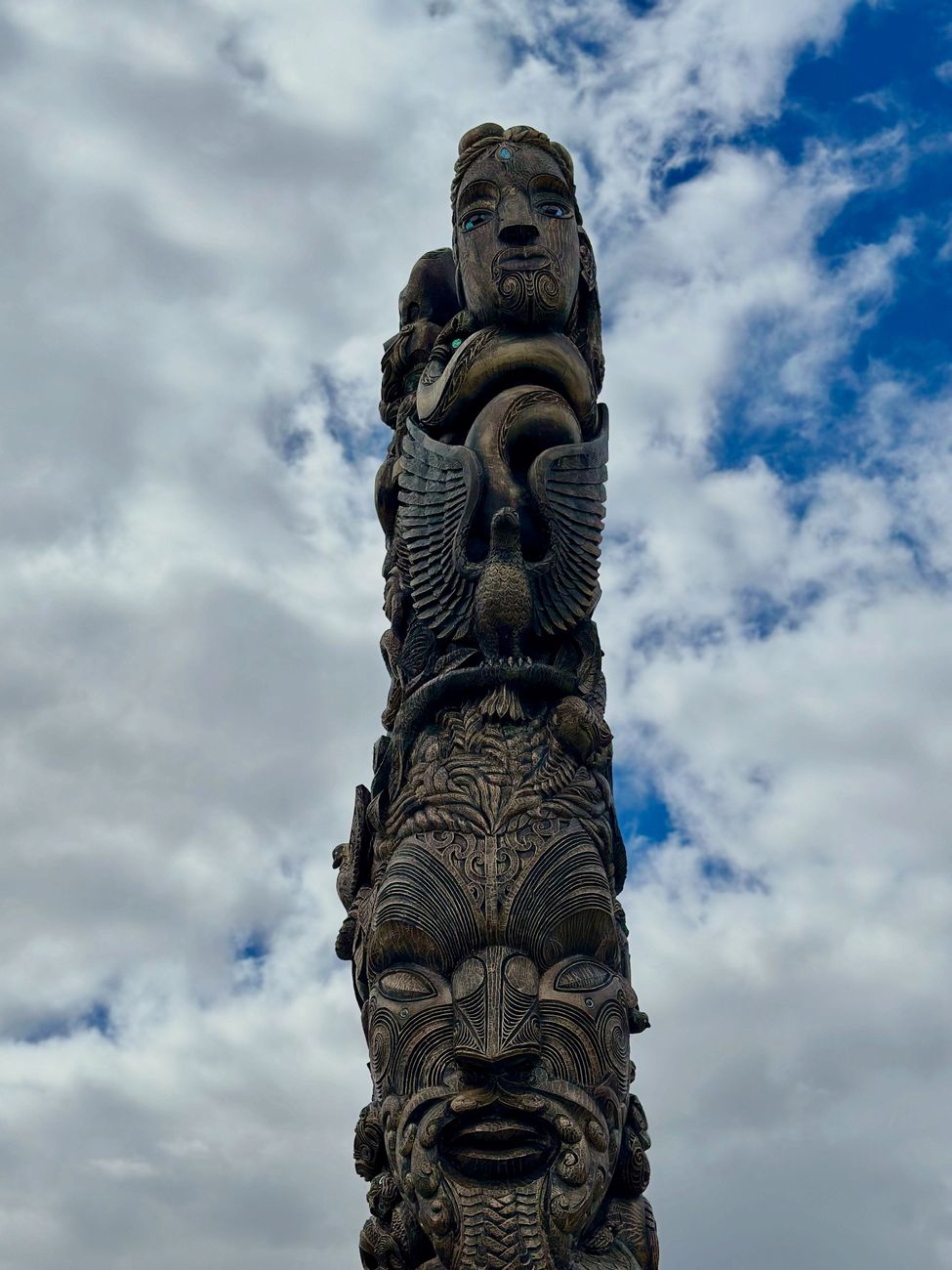
Aotearoa’s identity is intertwined with Maori language (Te Reo), customs (Tikanga), and spiritual connections to the land (Whenua). Understanding basic concepts enriches every interaction across the islands.
1. Key Concepts: Tapu and Noa
In Maori tradition, Tapu refers to something sacred, spiritual, or restricted. Conversely, Noa means non-sacred or ordinary. Respecting tapu places is critical when visiting mountain peaks or ancestral burial grounds.
- Do not sit directly on tables used for food prep.
- Do not climb over sacred burial sites or tapu rock formations (e.g., Mount Taranaki summit protocol).
- Always remove shoes when entering a ancestral meeting house (Wharenui).
2. The Powhiri (Welcome Ceremony)
Visiting a Marae (tribal meeting ground) usually involves a Powhiri. This formal welcome includes speeches, traditional chants (waiata), and the Hongi—the pressing of noses and foreheads signifying the sharing of breath.
3. Using Te Reo Maori Greetings
Simple greetings go a long way in New Zealand. Say Kia Ora (Hello / Wish you health), Manaakitanga (Hospitality and kindness), and Kia Kaha (Stay strong).
Want Guided Cultural Tours In Rotorua Or Northland?
We partner with authentic Maori-owned operators offering cultural walks, hangi feasts, and carving workshops.
Ask Cultural Advisory